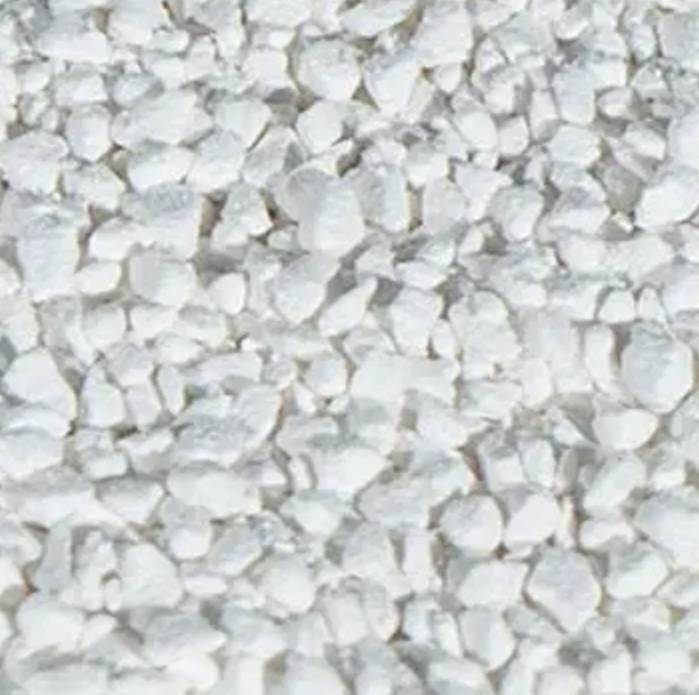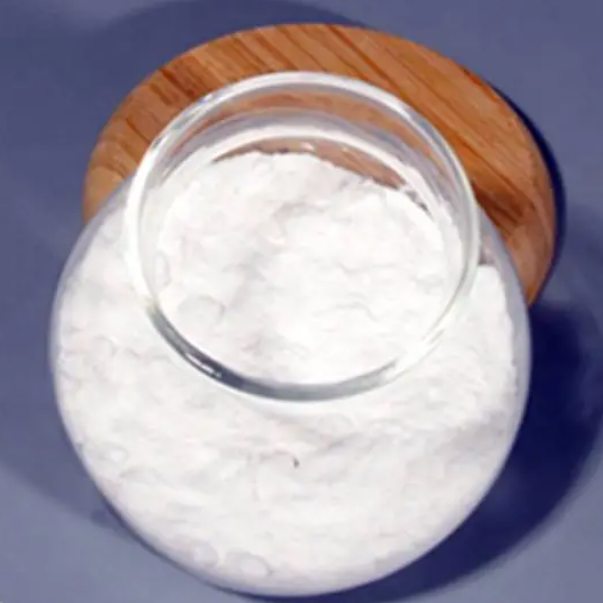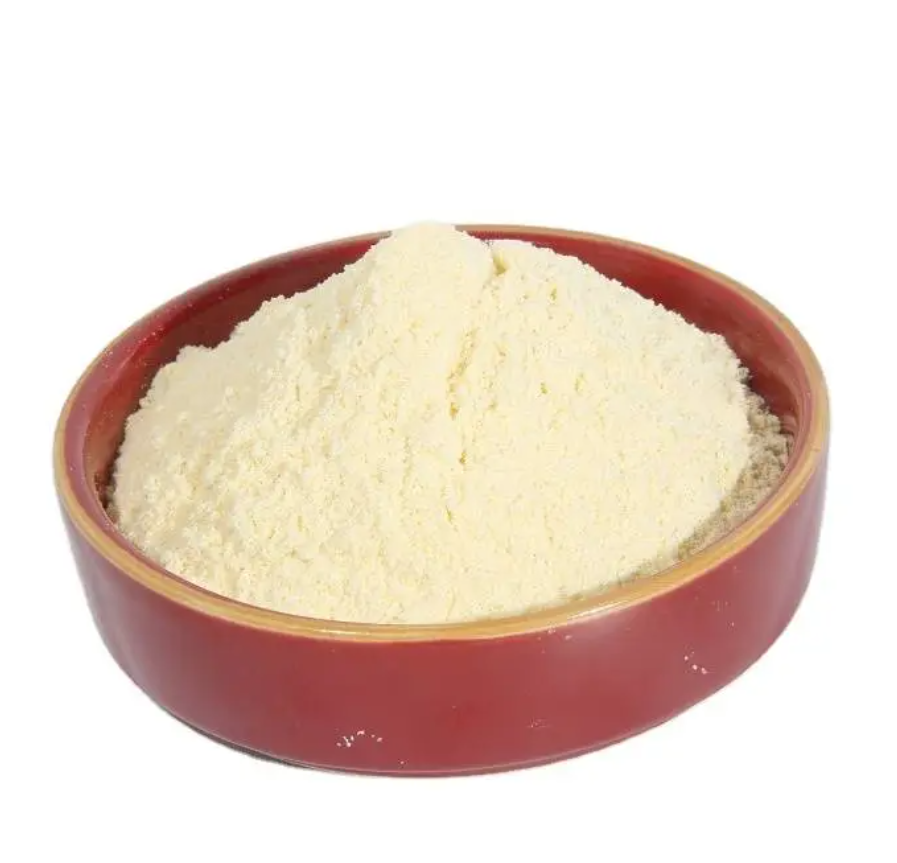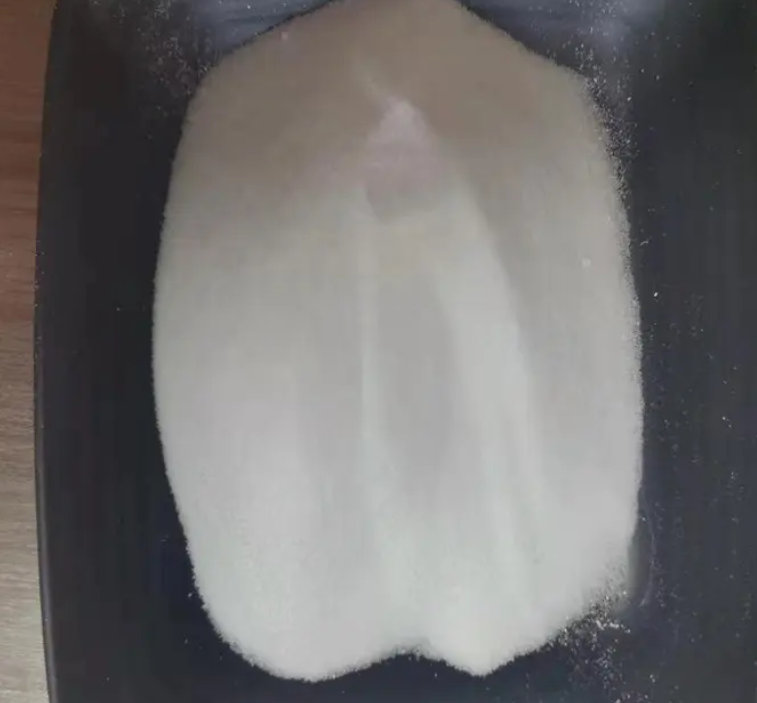
Chemical & Physical Properties
Common Name Articaine hydrochloride
CAS Number 23964-57-0
Purity 99%
Molecular Weight 320.835
Density 1.178 g/cm3
Boiling Point 440.6oC at 760 mmHg
Molecular Formula C13H21ClN2O3S
Melting Point 177-178°
Flash Point 220.3oC
Packing
1kg/Aluminum foil bag, inner double plastic bags
25kg/Fiber drum, inner double plastic bags
Shipping way
1. Ship by DHL/ FedEx/ UPS/EMS
2. Ship by special line if you can not make clearance when goods reach your customs
3. Ship by air/ sea
Use of Articaine hydrochloride
ArticaineHydrochloride is a dental local anesthetic.Target: OthersArticaine Hydrochloride is a dental local anesthetic. Articaine: VAS (Visual Analogue Scale) scores (from 0 to 10 cm) by patients 4 to < 13 years of age are 0.5 for simple procedures and 1.1 for complex procedures, and average investigator scores are 0.4 and 0.6 for simple and complex procedures, respectively. No serious adverse events related to the articaine occurres, the only adverse event considered related to articaine is accidental lip injury in one patient [1]. Articaine results in success rate of 64.5% in electronic pulp testing in healthy adult volunteers injected with 4% articaine. Articaine infiltration produces significantly more episodes of no response to maximum stimulation in first molars than lidocaine. Mandibular buccal infiltration is more effective with 4% articaine with epinephrine compared to 2% lidocaine with epinephrine [2]. Articaine formulation results in successful pulpal anesthesia ranged from 75 to 92 percent and onset of pulpal anesthesia ranged from 4.2 to 4.7 minutes in healthy volunteer. For articaine, 4 percent (two of 56) of the subjects reported swelling and no subjects reported bruising. Ninety-eight percent (59 of 60) of the subjects had lip numbness with the articaine solution [3].